

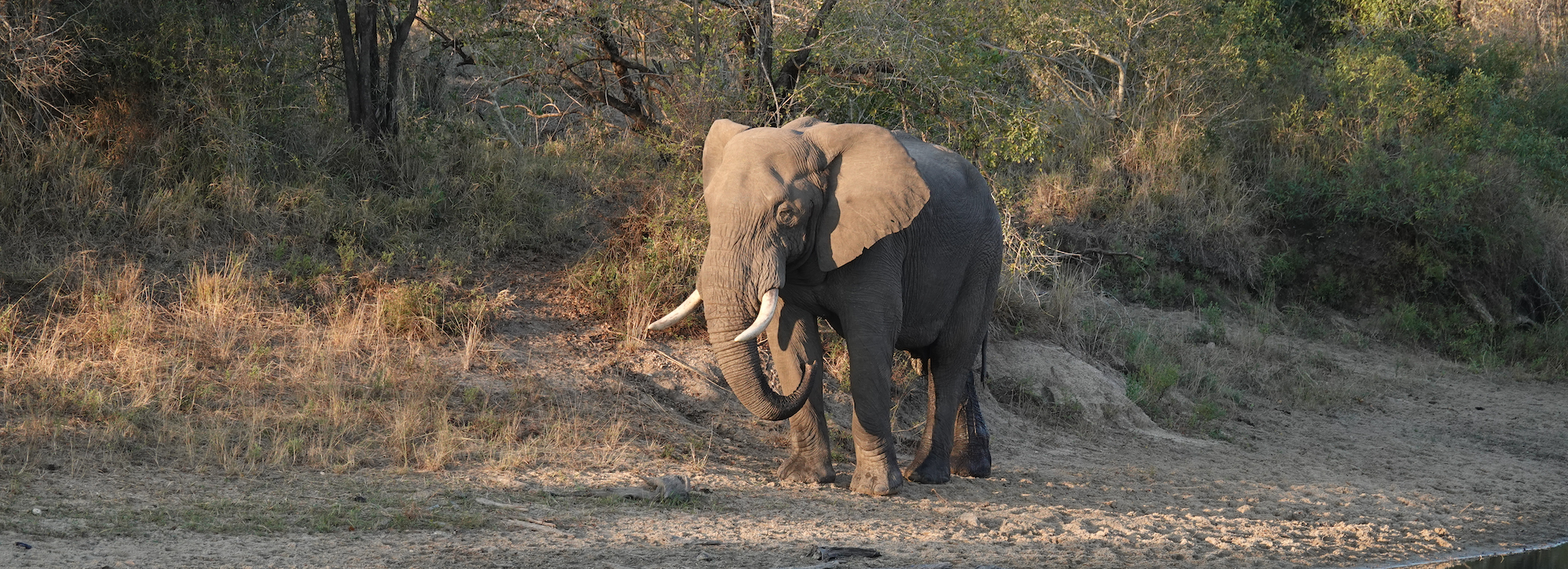
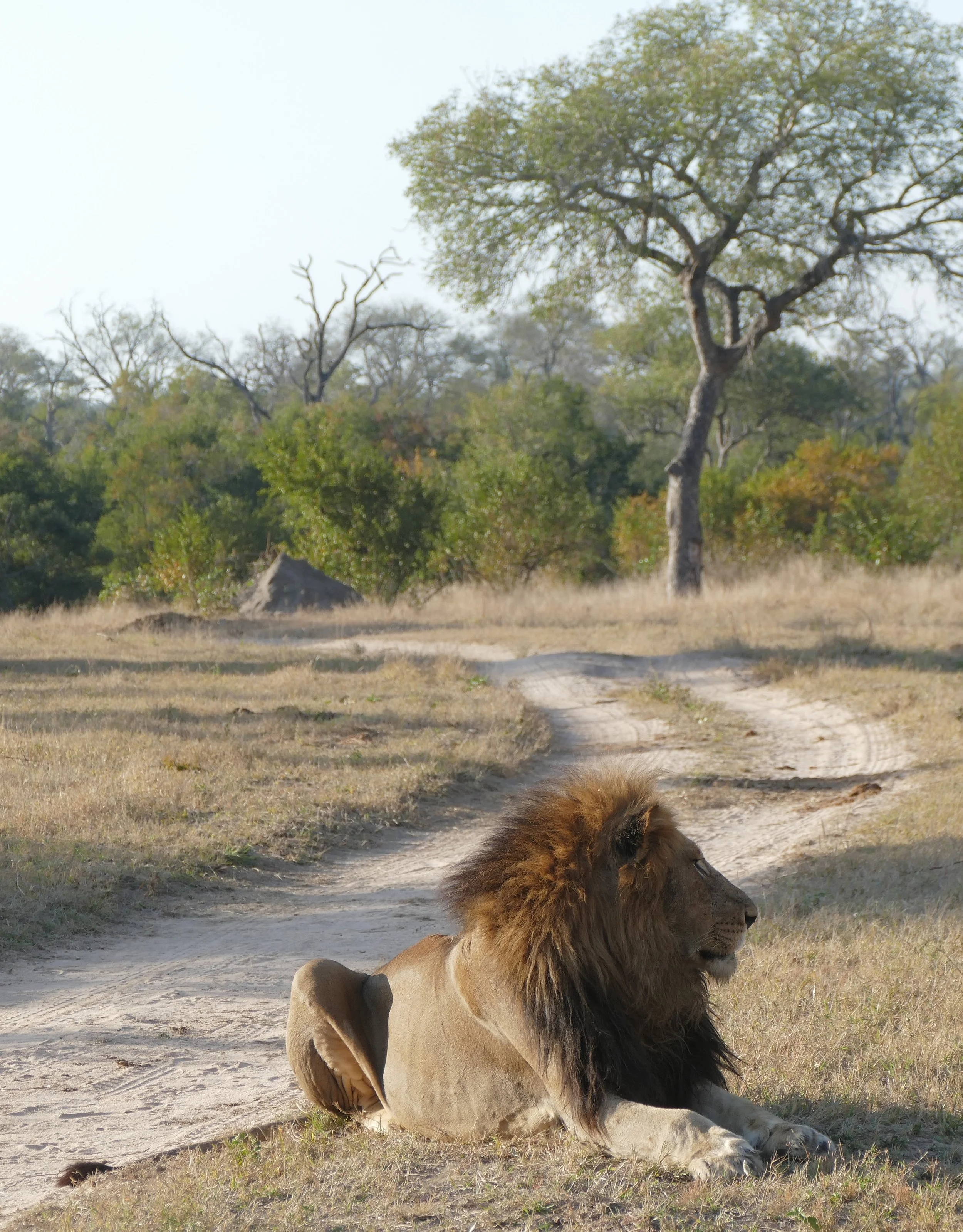
Djuma Private Game Reserve lies in the heart of the Sabi Sand Game Reserve, one of Africa’s most celebrated wildlife regions, with open borders to Kruger National Park. The name Djuma comes from the Shangaan word meaning “roar of the lion” — a fitting description for a place shaped by wilderness, community, and innovation.
Our Story
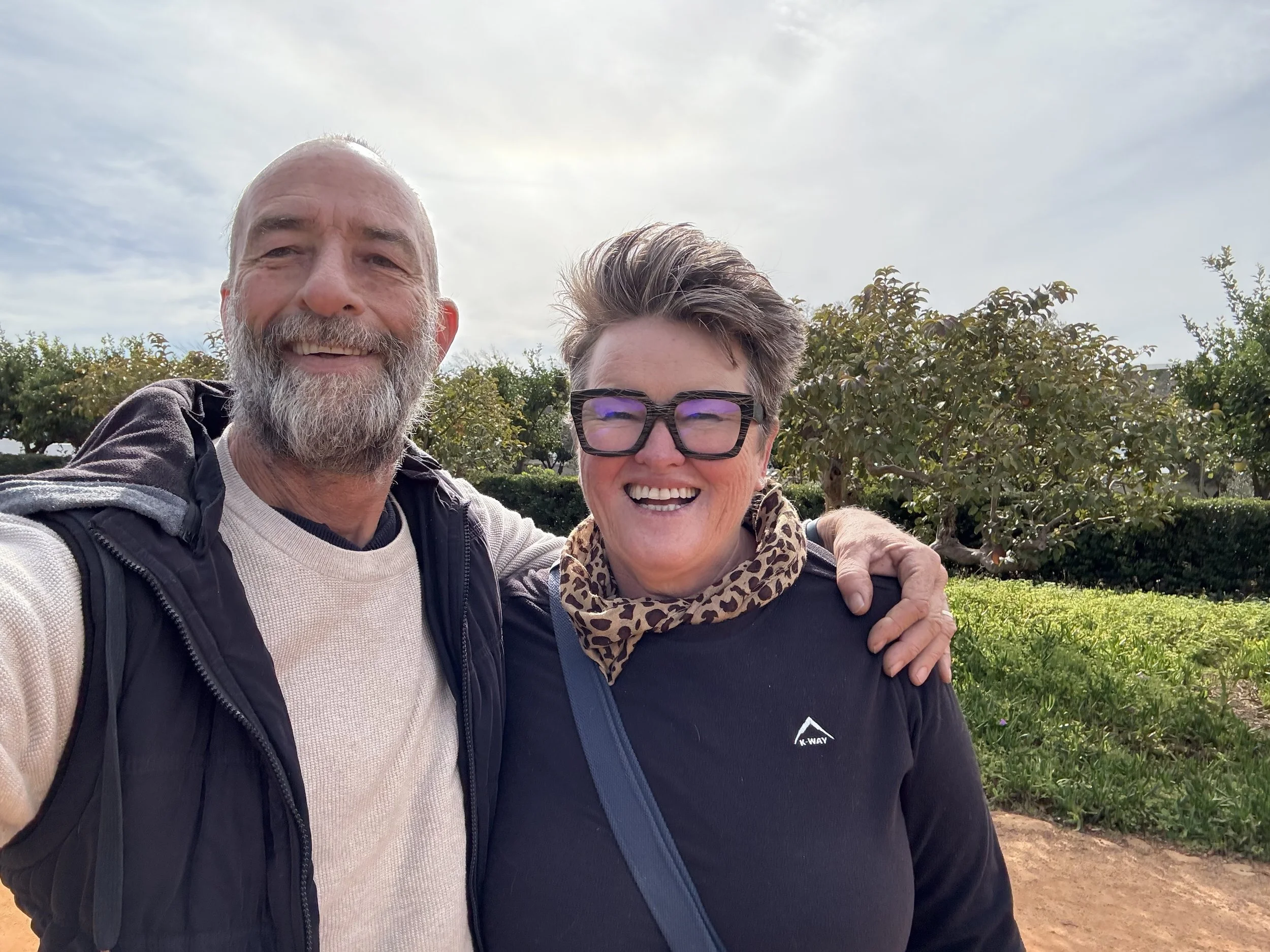
Djuma was founded in the early 1990s by Jurie and Pippa Moolman, who transformed inherited farmland into a protected wildlife reserve. With Jurie’s background in ecology and Pippa’s creative spirit, Djuma was built on a simple but powerful vision: to protect the land, share the bush authentically, and create meaningful connections between people and nature.
From the beginning, Djuma was known for its warm, owner-run approach, outstanding wildlife encounters, and deep respect for the natural environment. It quickly became a much-loved safari destination within the Sabi Sand, offering guests an intimate and unpretentious bush experience.
Conservation and Community
Djuma has always believed that conservation and community go hand in hand. Alongside protecting wildlife and habitat, the reserve has supported local education and early childhood development initiatives, helping ensure a sustainable future for both people and the land.
A Pioneer in Live Wildlife Experiences
In 1998, Djuma made history by hosting one of the world’s first live wildlife webcams, overlooking a waterhole now known globally as Gowrie Dam. What began as an experimental project grew into an international phenomenon, connecting viewers around the world to real-time moments in the African bush.
This pioneering spirit later helped give rise to WildEarth and the globally recognised safariLIVE broadcasts, with Djuma remaining a central location for live, interactive safaris.
Djuma Today
Today, Djuma Private Game Reserve continues to protect wilderness in the heart of the Sabi Sand Game Reserve, where the Big Five roam freely and wildlife thrives in its natural habitat. While Djuma no longer operates as a traditional safari lodge, it still offers intimate bush experiences through private, self-catering accommodation and select expeditions.
One of Djuma’s most distinctive stays is Tumbeta House — an exclusive safari home set deep within the reserve, open seasonally from June to November. With just three guest rooms, Tumbeta House offers panoramic bush views, a shared dining and living space, a swimming pool, and a viewing deck overlooking the surrounding wilderness. Designed for privacy and flexibility, guests enjoy a self-catering stay, with the option to arrange a private chef and guided safari activities, while wildlife moves freely around camp.